Tuesday, April 12, 2016

Where do I go now? Where should I stay?

I decided to keep silent while the rest of the world roared of anger and other retorts when fire broke out in Mt. Apo last March 26. While most of them were busy doing their things in the midst of flaming struggle, I stayed home with my family and patiently waited for the ashes to take over so I could do my part of clearing my own emotional debris.

When fire progresses in the mountains for two weeks, I was happy to have survived from a whole new obliteration. It brought me back to my prayer room which I realized I have neglected for like ten years already. I prayed hard, and the only favour I asked from God was for the rain to pour hard in the fire site. It was the most that I could do. Every time I heard news of fire extending to forested areas were also times I felt as if I am undergoing major surgery or chemotherapy. It was very painful to me.

As of this writing, several good news graced me as I was about to resume office works. The fire is under control and just a little over 3 days to a week time it will be declared fire out. After more than two weeks of weeping I can finally afford to smile now.


As usual, there was the so-called “blame game”. After the incident, a meeting was called up and nobody from all of us were exempted to have been part of the indirect reasons why the fire ignited. That was when all of us were overstretched of the incident. Nonetheless, I realized (hopefully the others also) that everything happens for a reason. We might have pointed our fingers to few entities whom we believed are behind the fire, but nobody can really pinpoint somebody who burned Mt. Apo. There was none. For me it was all part of the cycle. We just never get into it because we always thought nature is good all the time. Absolutely not.

And then we cursed the incompetence of the Bureau of Fire Protection in suppressing wildfire, to which I recognized a very tough job to do. To be honest, the Philippine government is not ready to combat wildfire especially if it is situated in the higher altitudes like Mt. Apo. That is why I did nothing, only prayers for the rain to pour hard.

The fire in Mt. Apo germinated several observations from my young mind. Of course there were damages, serious damages at that. Ecotourism and biodiversity are the prime casualties. On paper, more or less 70 families from Colan and adjacent sitios Baruring and Tumpis are earning a living out of portering activities. In a single trekking, a porter earns 1,500 pesos the very least. The figure is three times bigger than what they earned while working in a farm. Last Lenten season, a total of 110 porters where employed which translated into 165,000 pesos or so. Other sectors affected are transportation, transient accommodation establishments, local sari-sari stores, tour guides etc.

And then there is this abrupt cancellation of the International Mt. Apo Boulder Face Challenge just less than a month before its actual date schedule. Because of the incident we have rescinded an international identity which have become one of Davao region’s gateways to the world. For the first time after 8 memorable years, I have to embrace a year without the Boulder Face Challenge. For 8 long years, this event was the heart and soul of Sta. Cruz tourism. And without it now means losing some key parts of the overall system.

Moreover, biodiversity loss is also evident, in fact even more frustrating to note. As per Incident Management report, approximately 110 hectares of area were burned, all within Mt. Apo’s strict protection zone where endemic and endangered flora and fauna inhabit. As a home to the mighty Philippine Eagle, the damaged portion of the forest is critical. We already have fast deforestation rate and it is even worsen with the recent fire. Just like human, creatures in the wild deserve a comfortable place to stay but with what happened lately, they lost not just a habitat but a home.

Above all these, I have always asked this question even before the fire was controlled: WHERE DO I GO NOW? WHERE SHOULD I STAY? Time and time again I have been telling you that Mt. Apo is my home and losing it would mean emotionally distressing for me. The saddest part is that there can really be no room for me to evacuate, relocate or even rebuild. While we agree that nothing compares to Mt. Apo in terms of tourism product and experience, I also believe nothing compares to this mountain as an ultimate sanctuary for a soul who seek peace of mind and enlightenment. With what happened to this home I admit that the words SHOCK, ANGER, DEPRESSION and HOPELESSNESS are all understatement of what I truly underwent. I felt as if I lost a best friend and an important family member.

Indeed, for a mountain which I thought all that springs out from is good, you have your cruel moment my dear Apo. I have felt that cruelty now and I need to adjust. All that I need to pray now is to reach an early point of acceptance and become able to move beyond disbelief, bitterness and sadness. I understood how hard for you to be good all the time with all that you have been going through lately my friend. You have long been wanting to take a rest and, well, you deserve to take a rest. You take your time and I will do my share to re-create you.

Tuesday, January 26, 2016

Mt. Kiyawa day hike on a Sunday

Last Sunday (January 24) was just an ordinary hiking day for me as I settled for a short day hike up Mt. Kiyawa, the highest peak of the municipality of Sta. Maria in Davao Occidental. It was still part of my Occidental lifescape tour. With me during the climb were SJR buddy Plonge and good friend Rhoda

 
We started the climb at around 8:30 in the morning and although some isolated fogs surrounded the mountain earlier, the extreme hot weather took over in the late morning when we arrived at the summit. The trail was composed majority of single track with some cultivated farm lands visible along the way. There were portions of lose rocks and few cliffs experience when we were about to reach the ridge. Two major sceneries graced us while walking along the ridge, the settlement area of Sta. Maria on the right side and the panoramic Davao Gulf on the other side.


Mt. Kiyawa is measured approximately 400 meters above sea level and is a good day hiking destination in the province of Davao Occidental. I was told by Rhoda that the summit of Kiyawa has always been a venue for Sta. Marians to celebrate New Year’s eve. The summit offers a clear 360-degree view of the town and neighbouring places. On the southern part we saw the huge coconut plantation that borders the towns of Sta. Maria and Malita, while on the northern part I saw the Malalag Bay seascape that also includes Piape Hill of Padada and the mountain ranges of Malalag.


The highest point of the mountain was the Sto. Niño shrine owned by a private person there. I met some folks there working to improve some structures in preparation for their fiesta schedule within the month. The barangay folks in the place are a mix of Christian, Muslin and some Tagacaolo natives.

At around 10:30 in the morning we started going down on the other side in Barangay San Agustin with the more favourable trail of coconut and banana farm.  We proceeded directly to one of Sta. Maria’s popular beach destinations, the Mariscal Beach Resort also known as the town’s Little Boracay.


To all my day-hiking friends, I suggest you try scaling Mt. Kiyawa and it will surely be a good hiking destination for first-timers and those who would like to go summit-camping overnight. One more reminder, the summit and trail of Mt. Kiyawa has no water source, so better refill potable water before doing the hike. Mt. Kiyawa is also a dry mountain with no vegetation cover from the trail head to the entrance of the ridge. On the way to the summit, however, is made up of coconut trees and some light houses that serve as stopovers.

Tuesday, January 19, 2016

If I get lost in Macau, I will stay there for good

Prior to my joining of the 2016 Hongkong Standard Marathon on January 17, 2016; I had an opportunity to visit the island of Macau with pare Dockie and good friends Pin and JP. I considered it as a mammoth side trip, even an interesting destination more than the host venue Hongkong for some reasons I observed and experienced. Upon reaching the place and interacting with Chinese people there, I believed that the next Philippine president should visit this country, understand and internalize the systems and have some slice of the systems emulated into our country.


With a mix of portugese culture being envaded by Portugal Empire long ago, Macau made its colorful culture as its major asset. I also discovered that only very few there know how to speak the English language which to me not a basis for a certain country to be rich and successful economically. The way they managed their infrastructure to compliment with the increasing population is praiseworthy. Presently, while they are still enjoying the comfort of their freeways brought by a comprehensive bus transport systems, they already reached like 60-70 percent completion of their mass railway transport, a move they anticipate that would ease the burden of their people 25 years from now. Yes, they plan and act 25 years advance. Planning is their core prevention so that an economic illness will not happen in their country, visionary planning. Not like us in the Philippines.


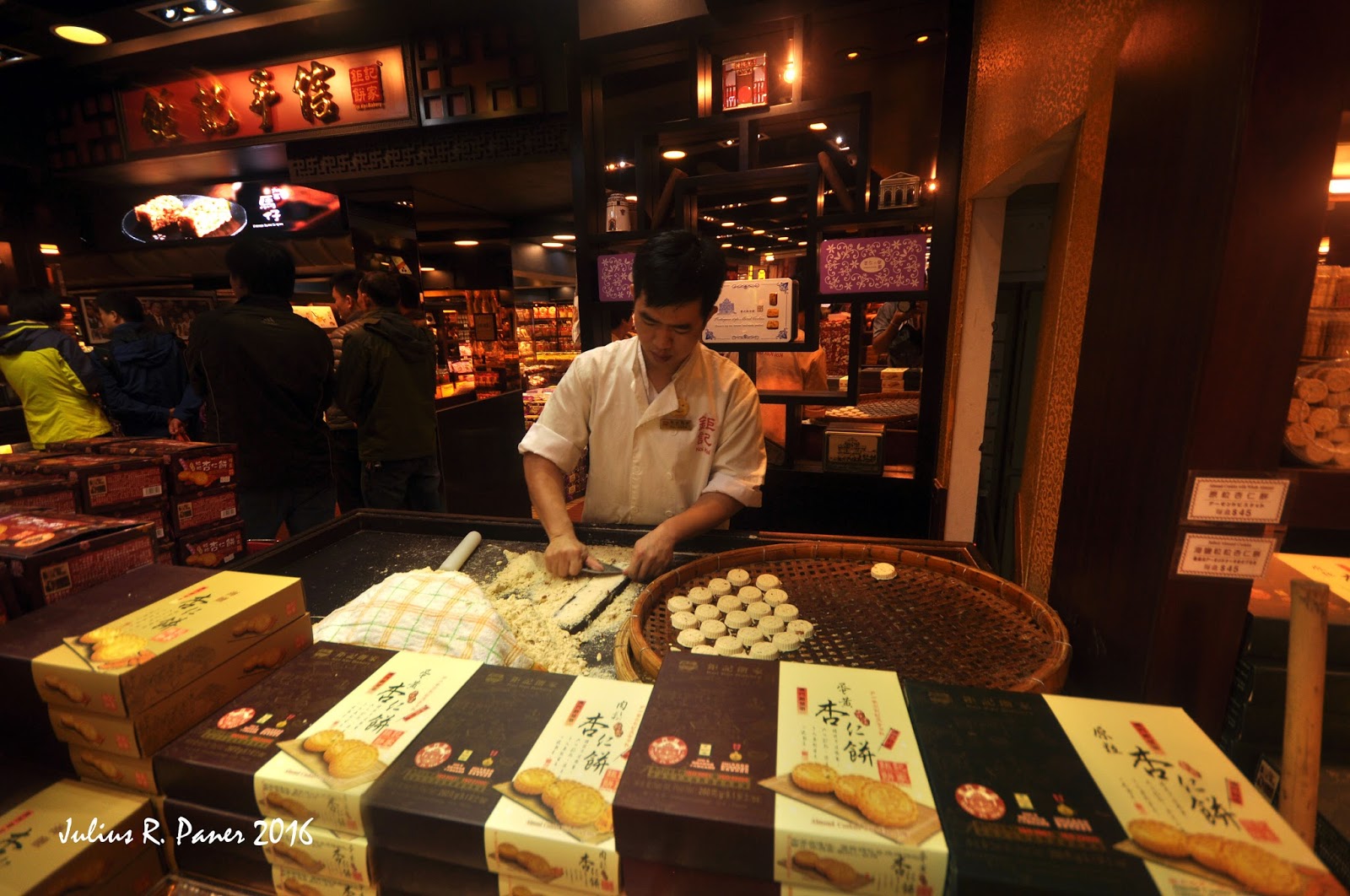
Tourism has been a tool and strategy of Macau. They have invited people to come to their place. And the tourism packages they offer are not the usual packages we know. They have existing structures there such as the St. Paul ruins located in the heart of the city and some eye-catching old Chinese structures to compliment. Their native delicacies are equally enticing, the pork and beef jerky captured my taste buds at that, and the other foods are really good, which also attracts tourists.


However, the main economic driver in Macau is the legalized gambling. Gambling in Macau is legal since the 18th century and it is one of the influences brought about by the portugese government. Since then, Macau has been considered the gambling capital in Asia and even compared to that of Las Vegas in the United States.

Gambling is the biggest source of revenue in Macau which accounts for almost 50% of their economy. It was even levelled up with the entry of large casinos owned by countries like Australia and USA. At present, almost all big hotels in Macau operates a casino. With gambling, tourism and manufacturing industries, Macau is now one of the richest cities in the world according to World Bank report. As of 2013, the Gross Domestic Product per capita by purchasing power parity is higher than that of any country in the world.


For me, the success of Macau’s economy sprouted when they allowed their cultural advantages to dictate them and by crafting a comprehensive policies for which all of its residents followed. In a deeper sense, Macau succeeded in its attempt for an economic transformation because they have people who are ready to reciprocate whatever rules and guidelines introduced by the government. Not like us Filipinos.

If there is one country I would like to revisit, Macau would always stand up as number one on the list.